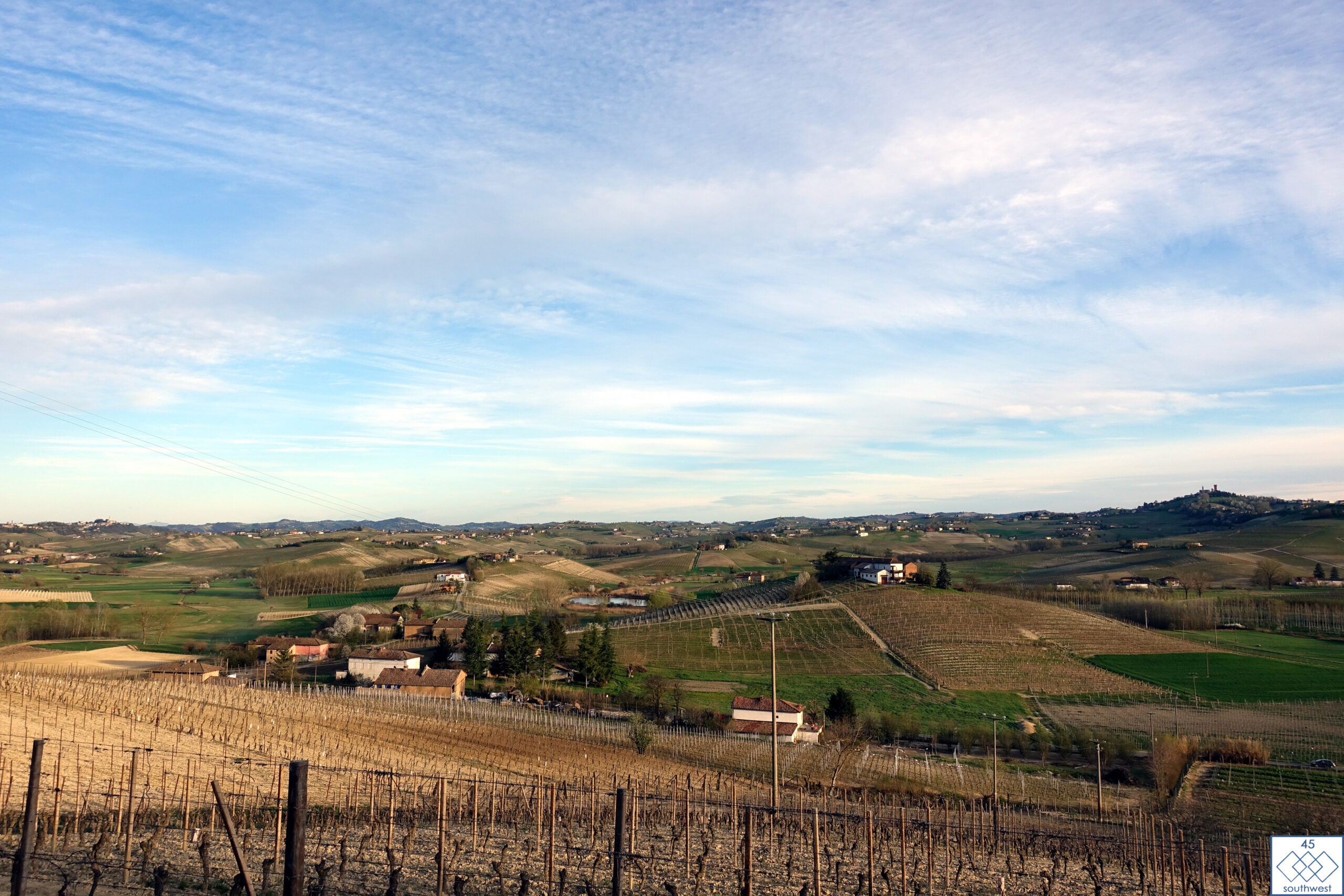
The climb to Col du Tende has a new twist! Riders can now take the newly updated “Route de Peyrefique”, a scenic alternative that adds fresh character to this historic pass.
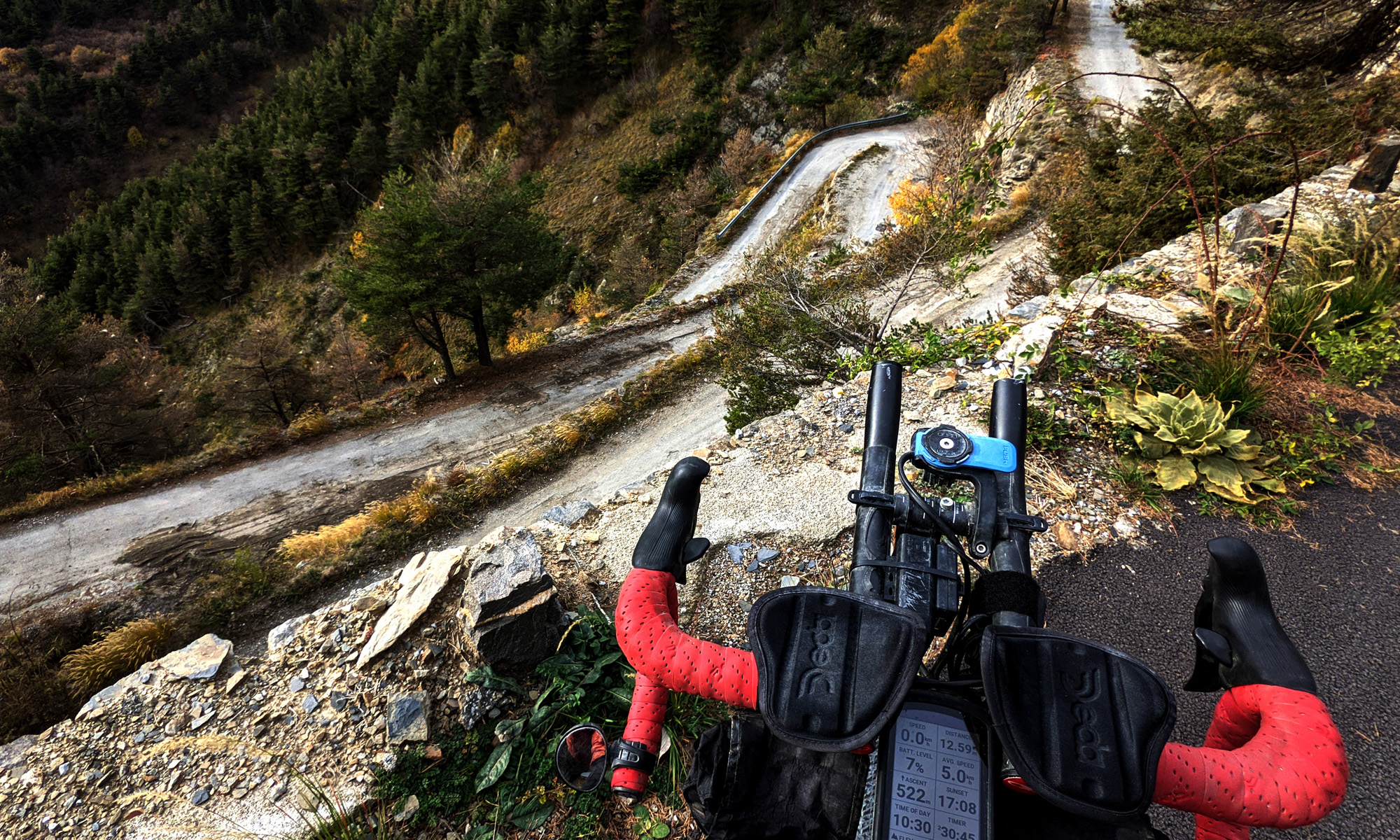
The 6.5 km ascent from Panice Soprana to Col du Tende received a smooth new pavement two years ago, enhancing the ride experience. From the Col, the new route continues for 12.6 km over a mix of paved and gravel surfaces, offering sweeping views of the famous 46 switchbacks of the original southwest approach and the Ford Central. Along the way, it passes several old fords, adding to the charm and adventure.
Riders can choose between the classic switchback route or explore the new Route de Peyrefique – each offering its own unique perspective on this iconic climb.
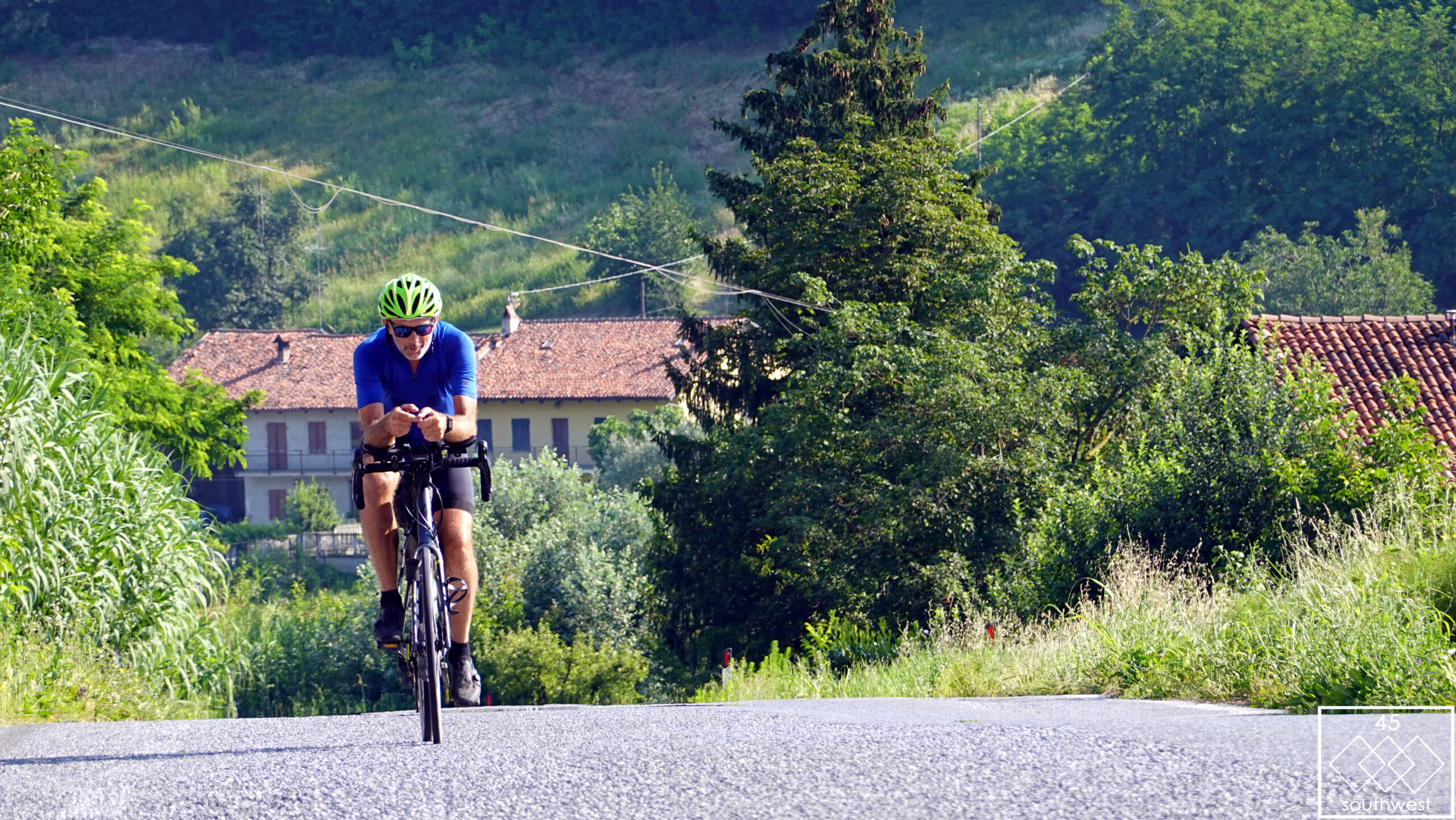
Photos taken on June 25th show Paweł Sojecki as the first rider to complete this new section, capturing the spirit and scenery of the Route de Peyrefique.
Col du Tende or Col de la Lombarde — A Choice to Nice
This year, riders have two route options on their way from Italy to to Nice, France: via Col du Tende or Col de la Lombarde.
Col du Tende features a mix of road surfaces, including gravel (piste) sections, offering a more rugged and historic experience. In contrast, Col de la Lombarde provides a fully paved alternative for those seeking a smoother ride.
From Col du Tende, the original route descends the legendary old road with its 46 iconic switchbacks. However, the updated route now follows the scenic Baisse de Peyrefique descent.
Below are a few photos from Col de la Lombarde, taken yesterday as Matej Cincera became the first rider to reach this pass via the paved option.
The 45-SouthWest race kicks off from the main square in Kraków’s historic Old Town. Riders set off early, with the official start time at 4:30 AM. The first 2.9 kilometers are neutralized, allowing participants to roll out together at a controlled pace. Once the route crosses to the southern side of the Wisła River, the race officially begins.
The second edition of the 45-SouthWest kicked off early Friday morning, June 20th, at 4:30 AM in Kraków. Since then, most of the riders have made their way into the Po Plains of northern Italy. The race leaders have already covered an impressive distance of approximately 2,900 km.
Check out some snapshots from the riders’ meeting at Targowa 2 in Kraków before the start.
A big thank to Targowa 2 for generously hosting our pre-race meeting!
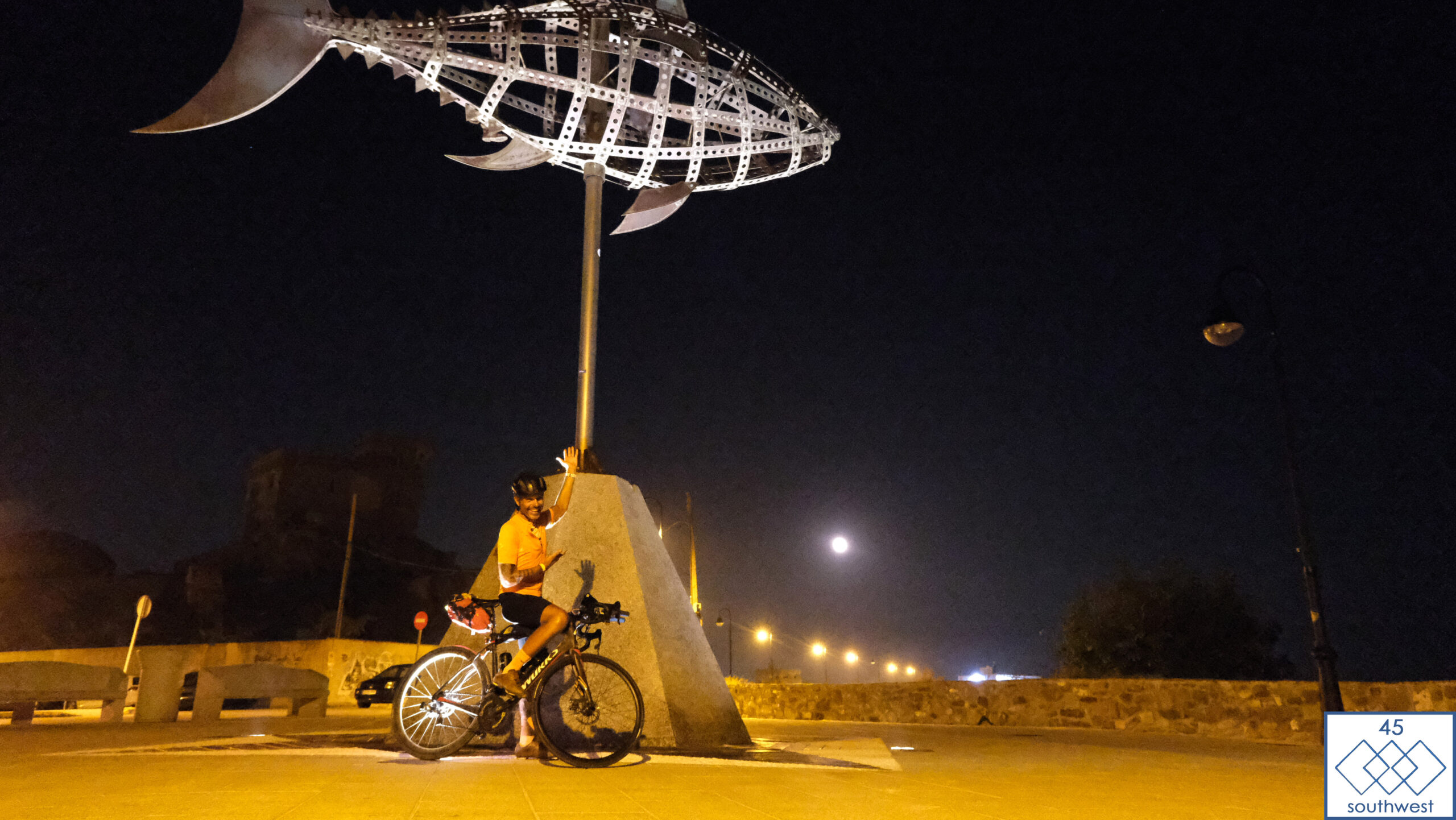
Smiles and celebrations await as riders cross the finish line at the iconic Tuna Fish in Tarifa. After completing an incredible 4,300 km bikepacking journey, they’ll have traversed some of Europe’s most stunning landscapes. Through 7 countries and a rich tapestry of cultures, this adventure is one for the books.
This year, riders from 12 different nations will come together at the starting line
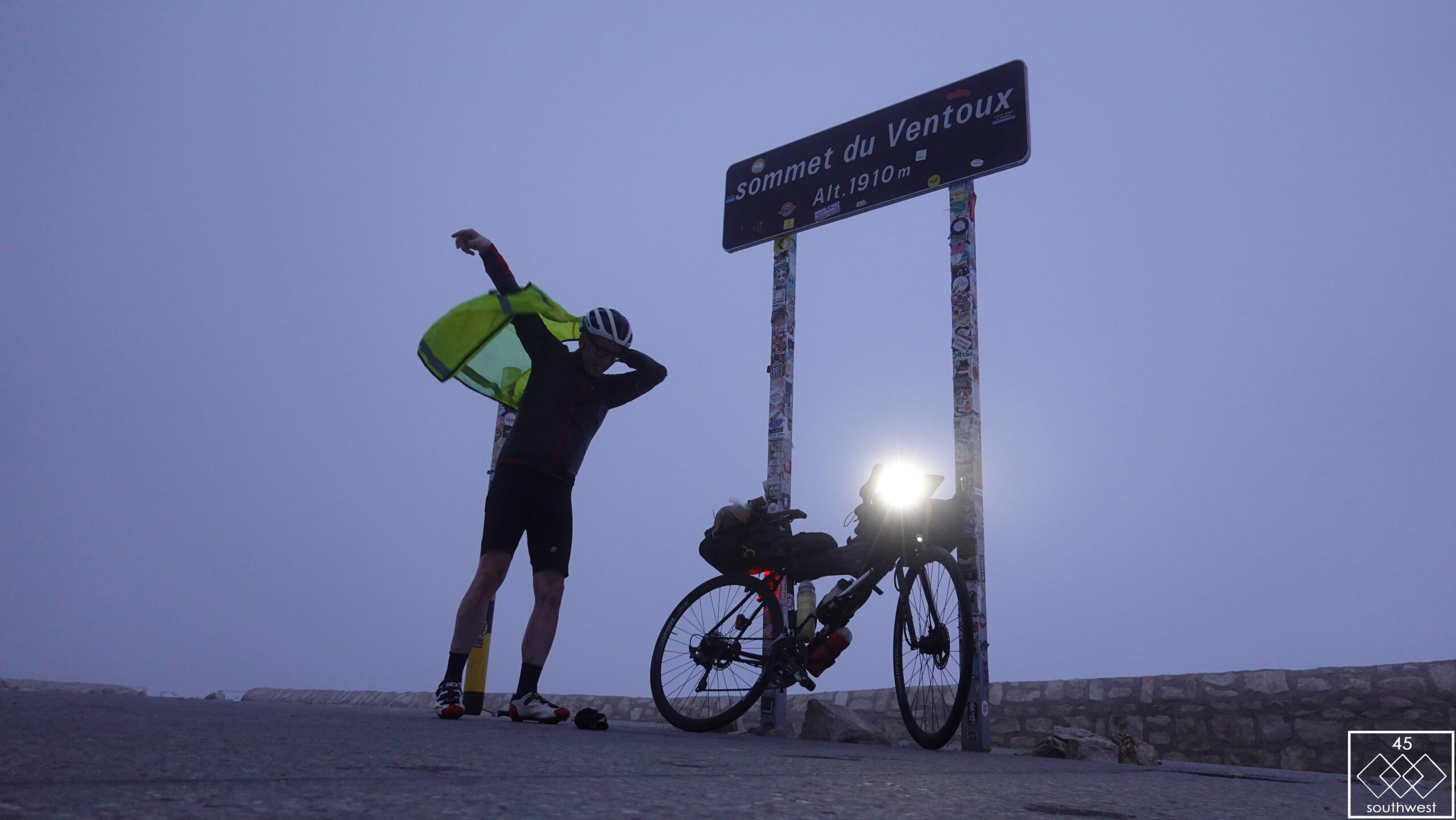
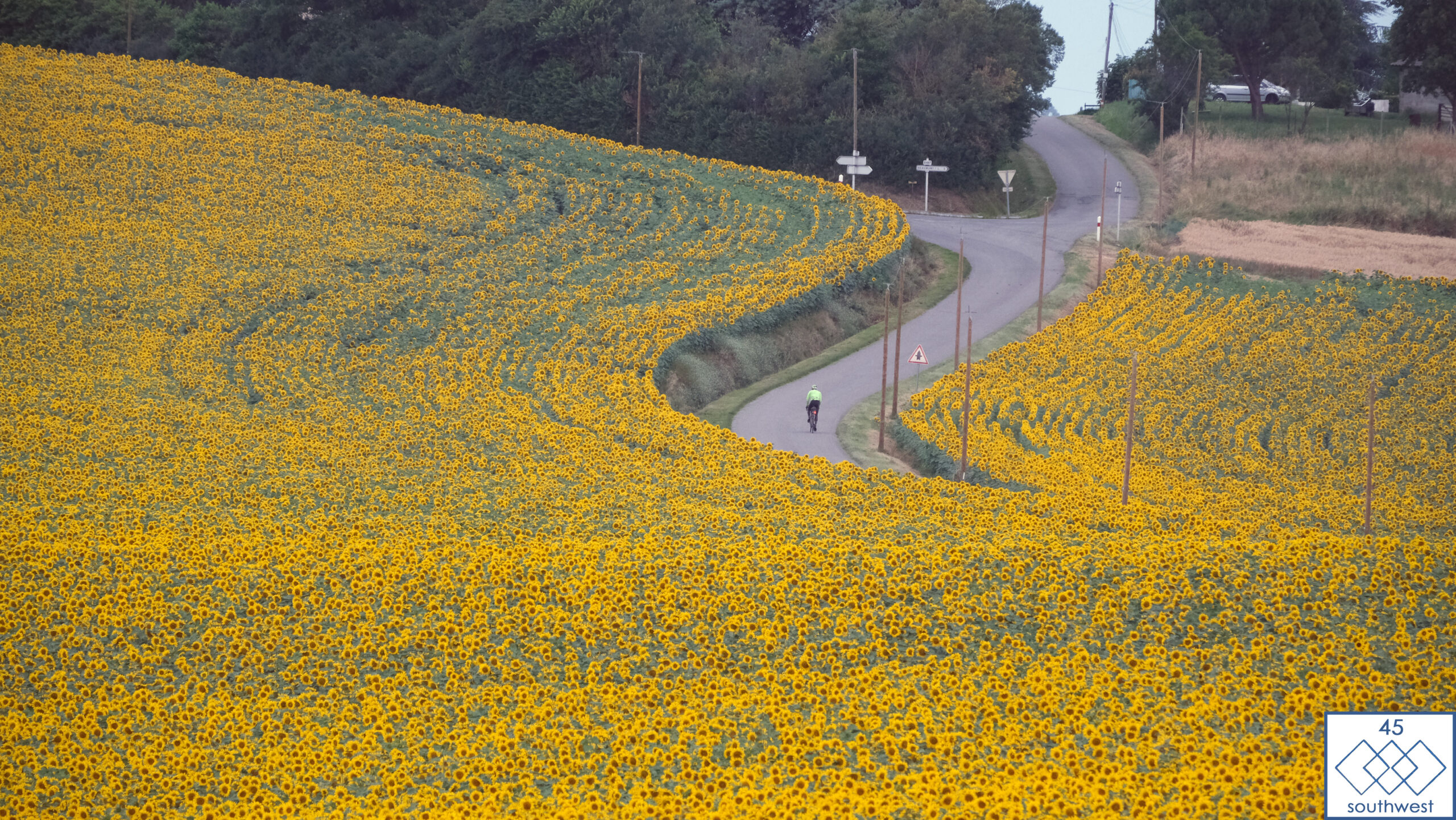
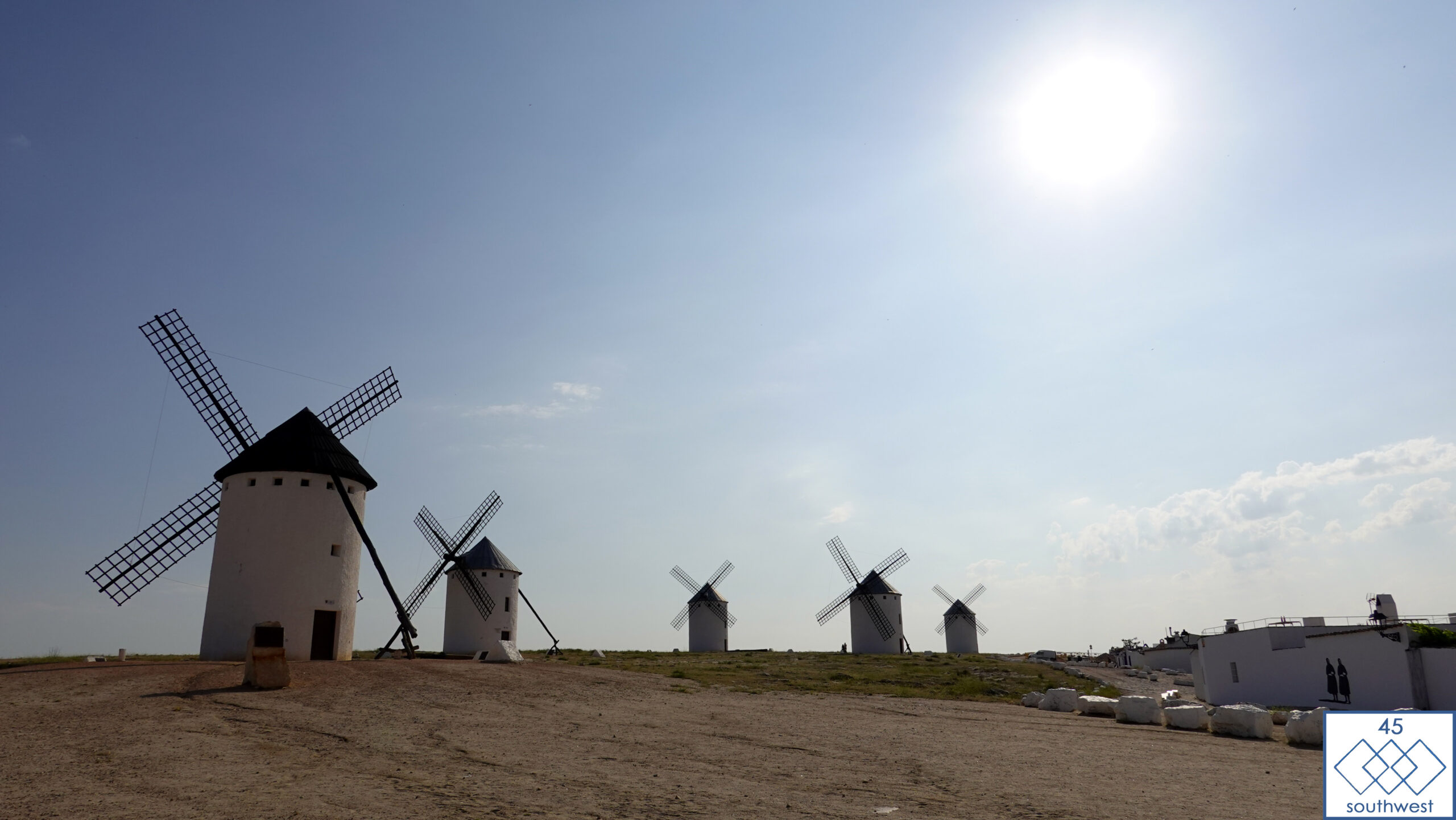
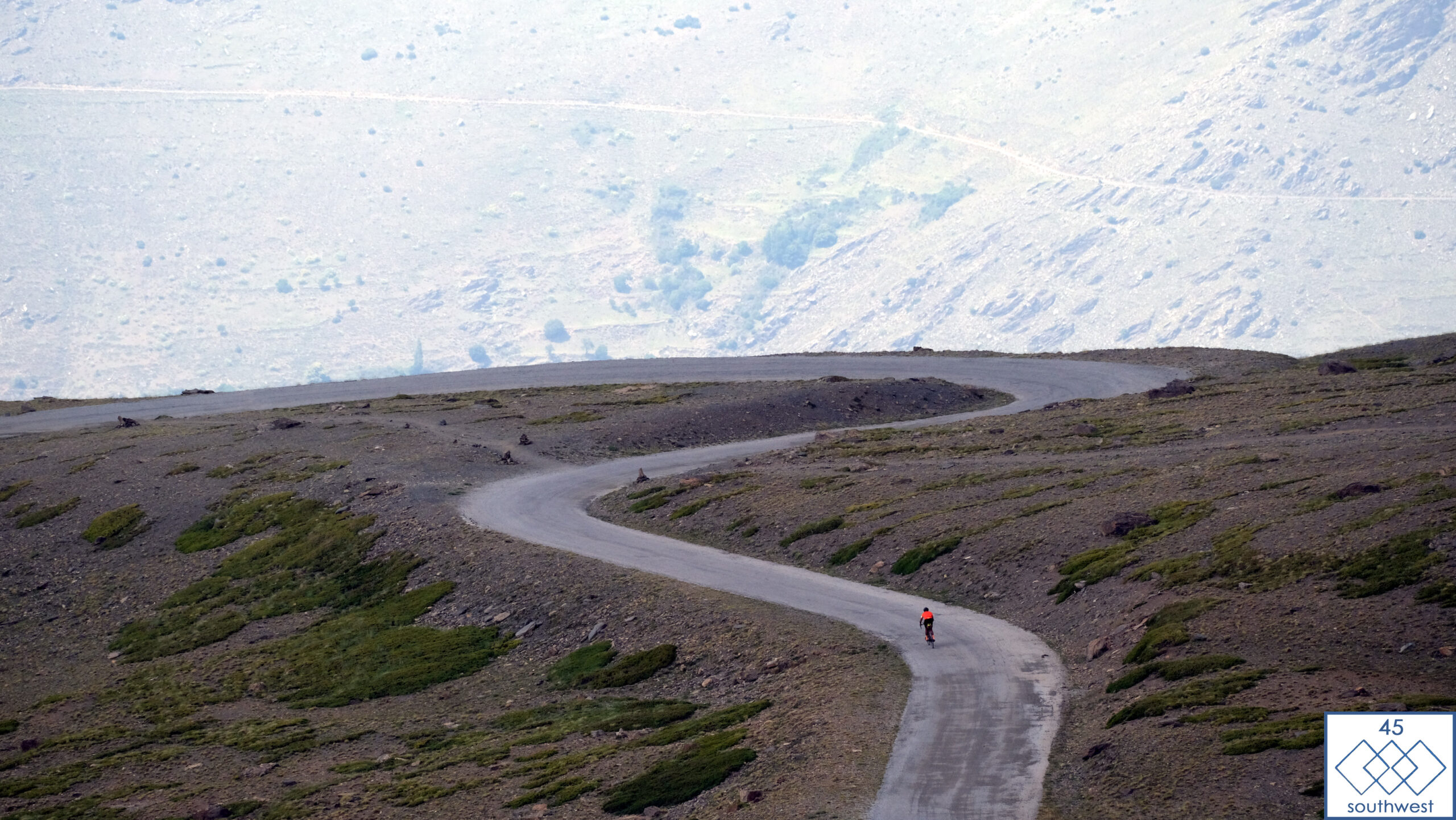
Photos: from the 1st edition 45-SouthWest 2023, – Peter Boynton at the Mont Ventoux Summit – Johan Kooistra in France – Terra de Gigantes parkour in La Mancha – Peter Vansumere in Spain – Steffen Streich at Pico del Veleta – Steffen Streich at the finish in Tarifa
The registration closes Tuesday 1st of April. Don’t miss one of the best bikepacking routes trough Europe. Riders from 12 different nations registered so far.
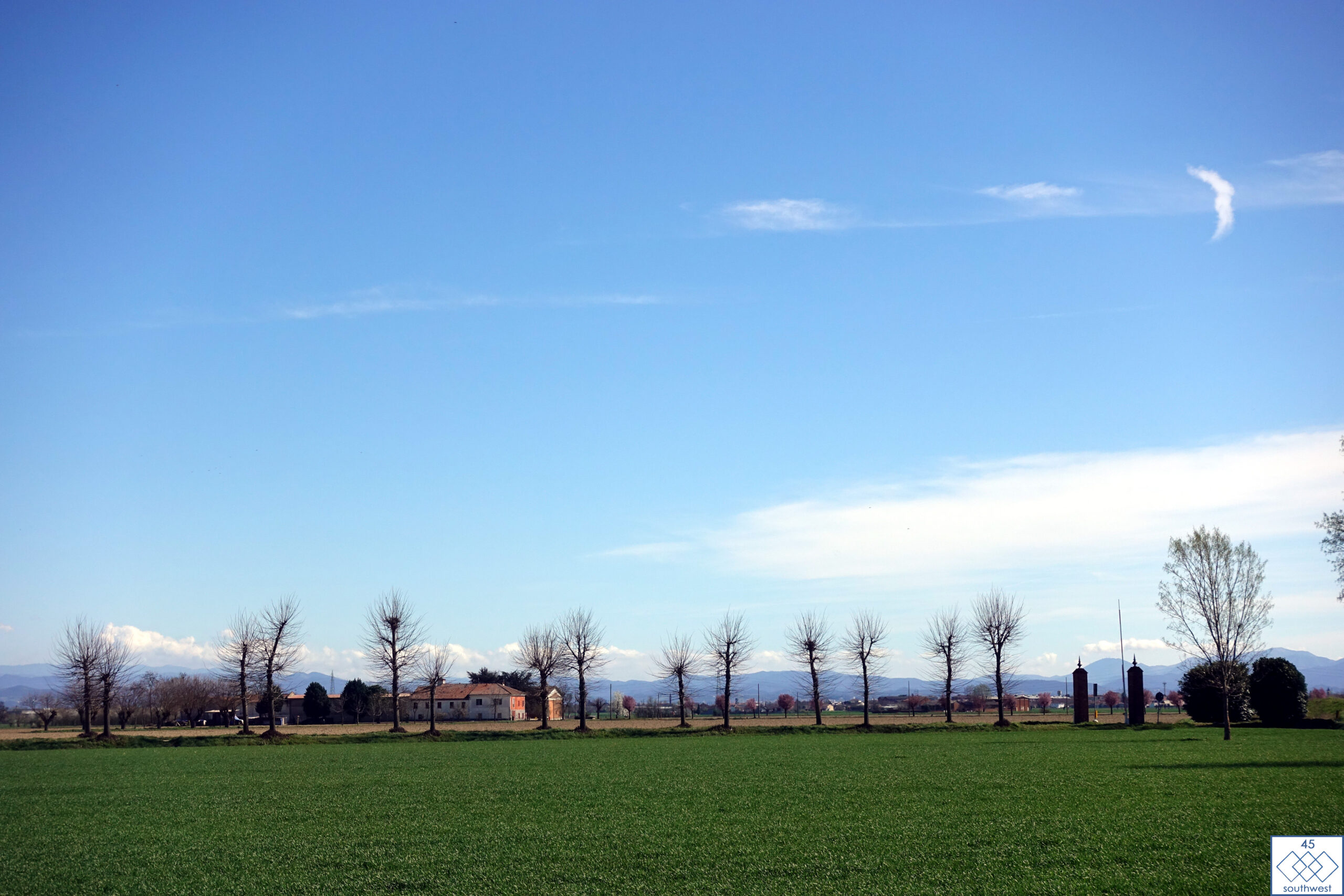
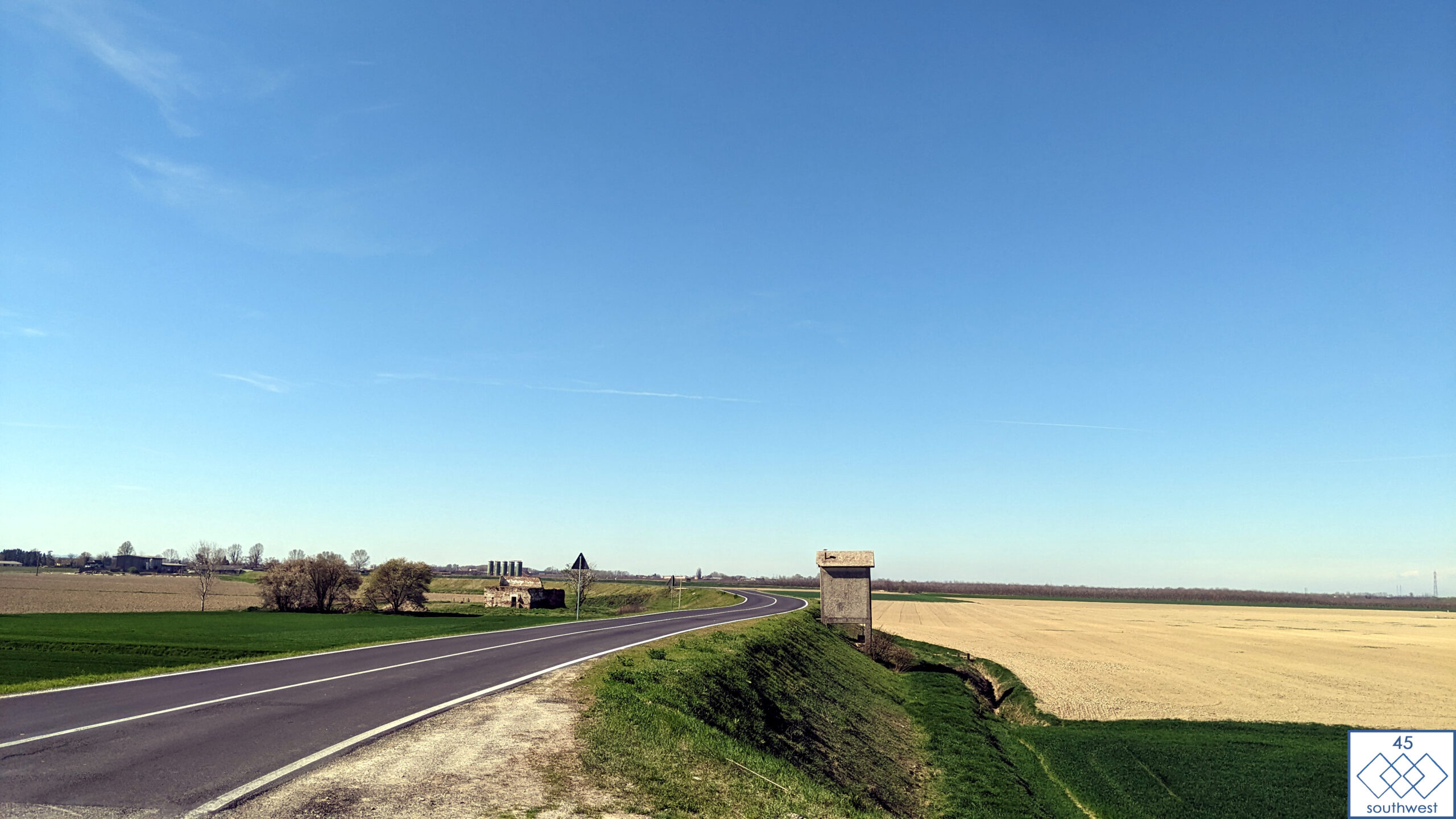
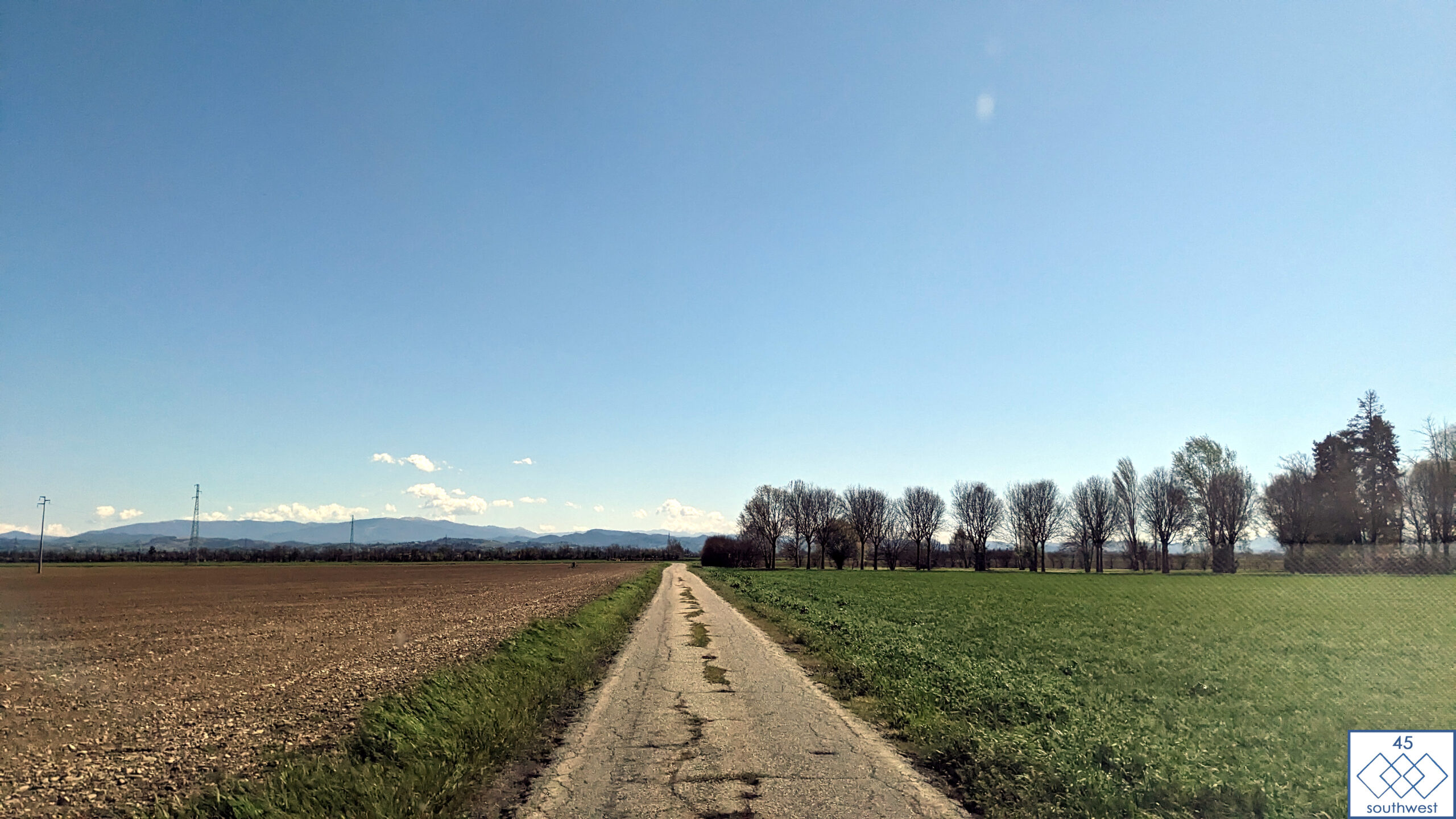
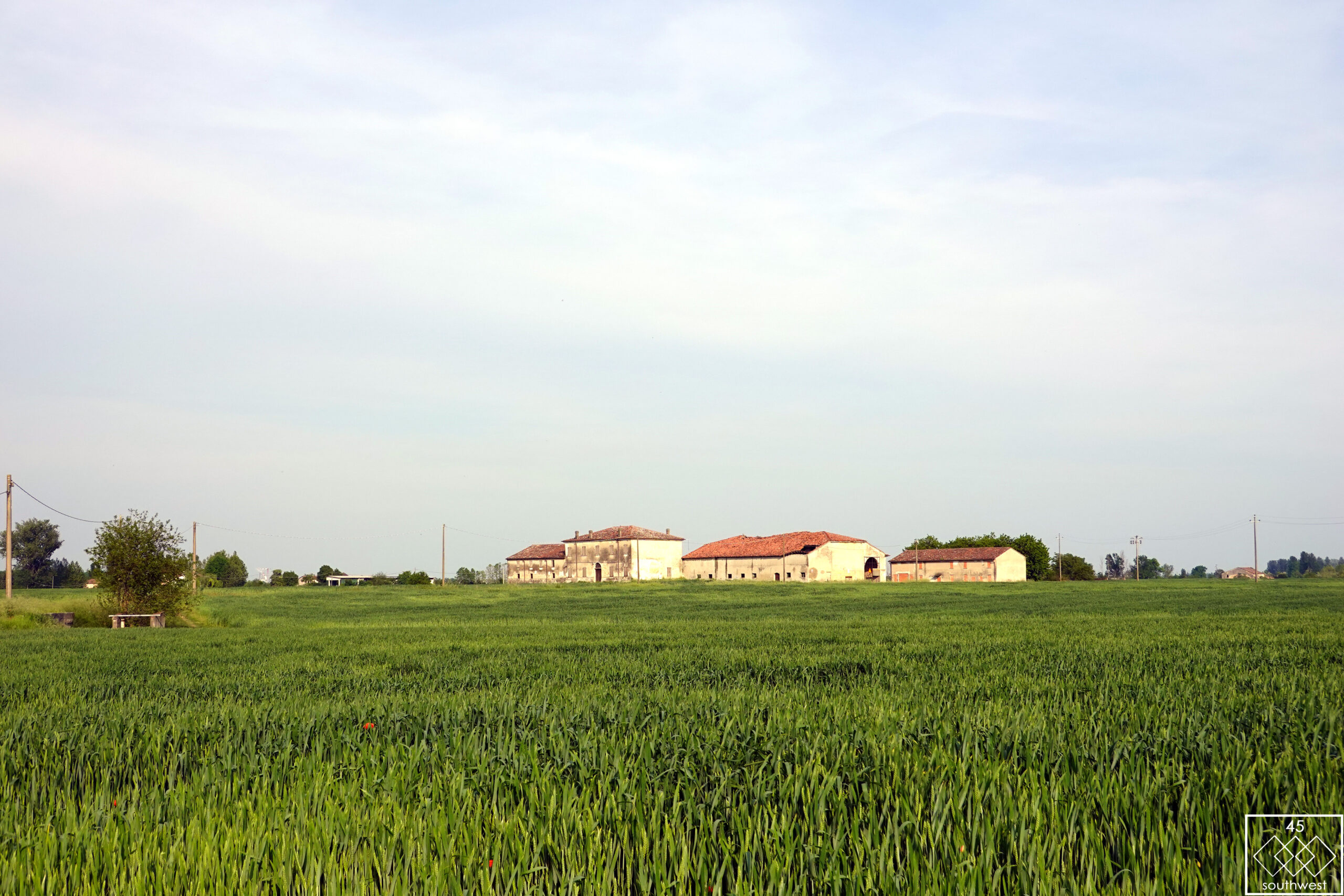
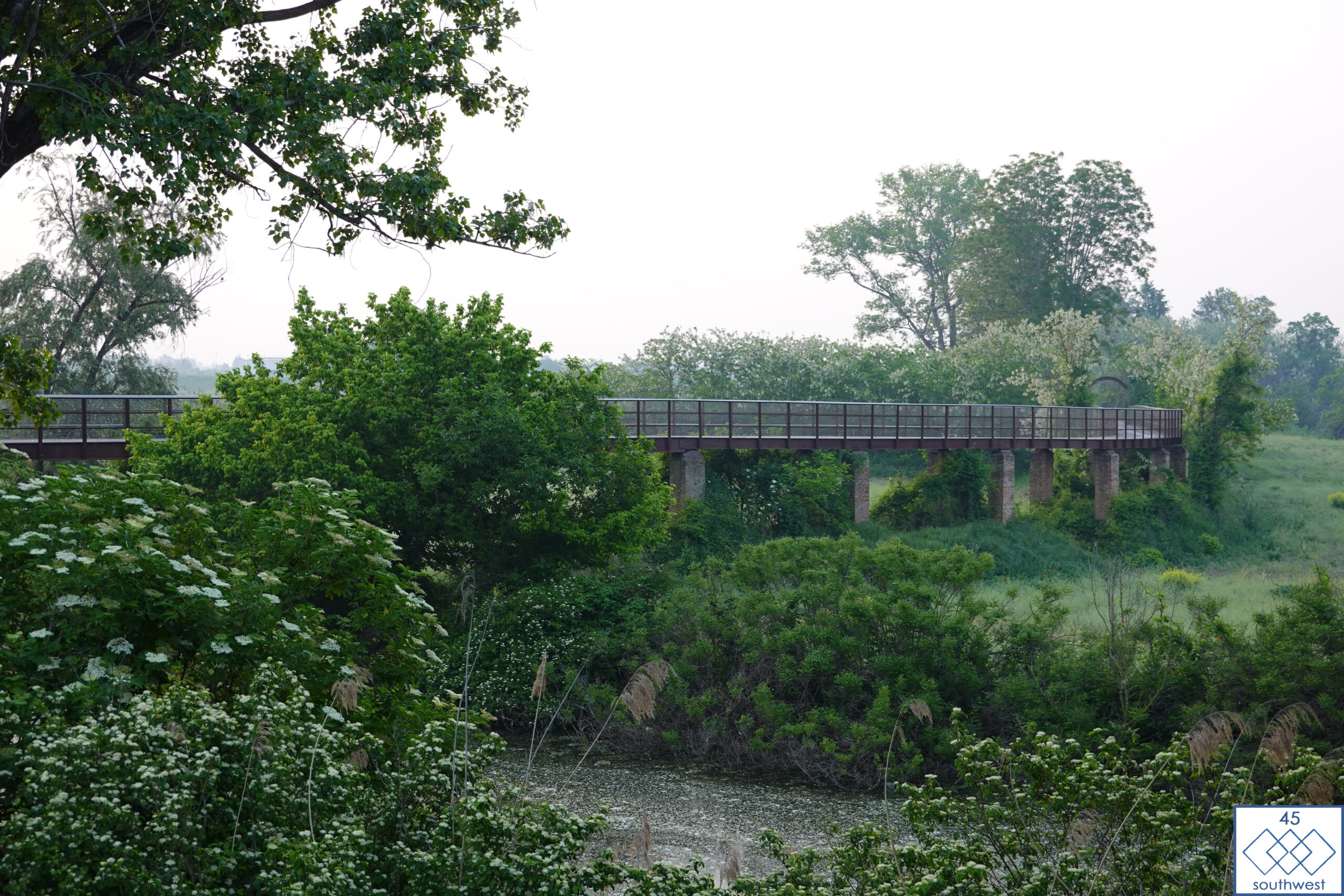
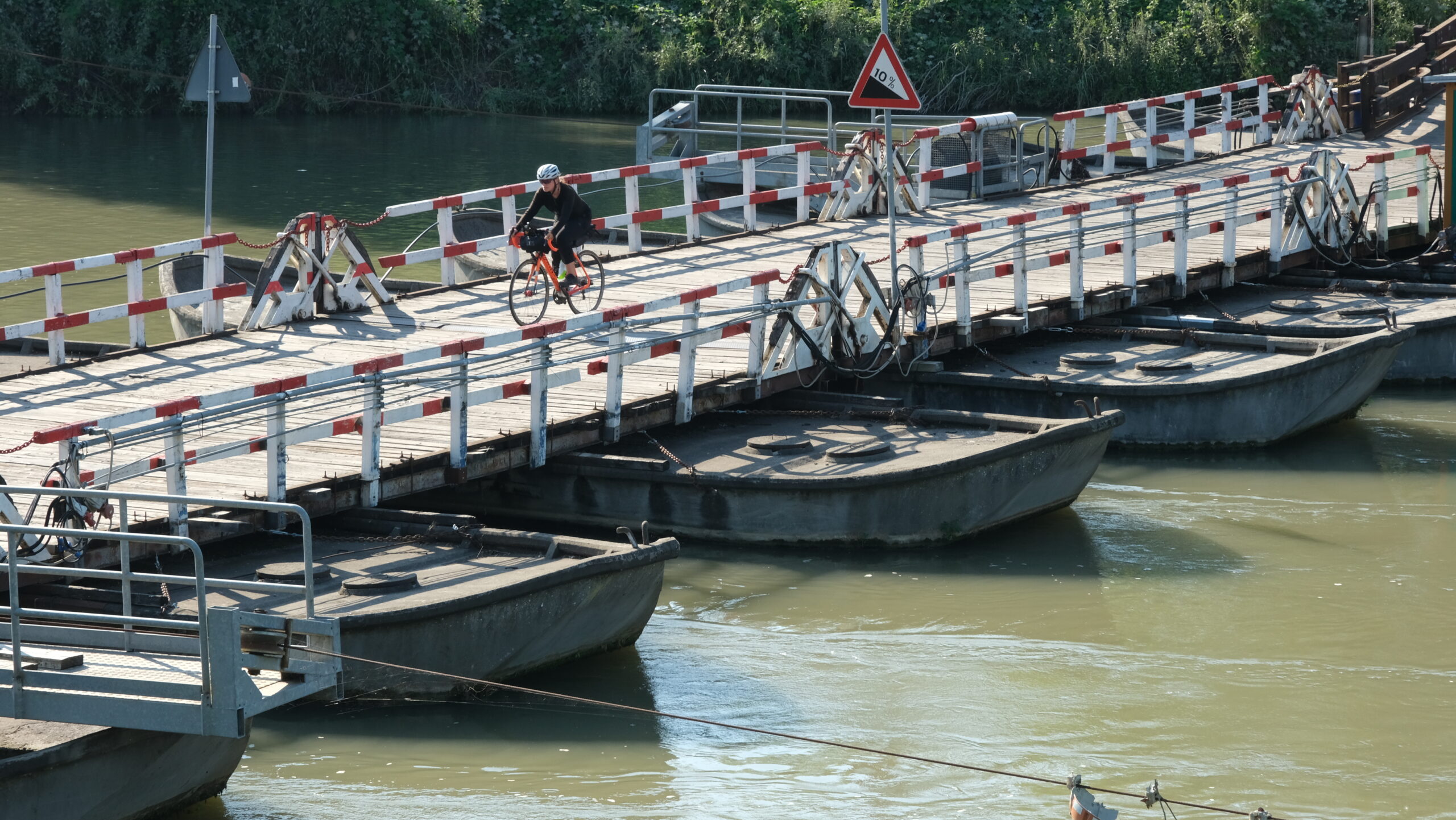
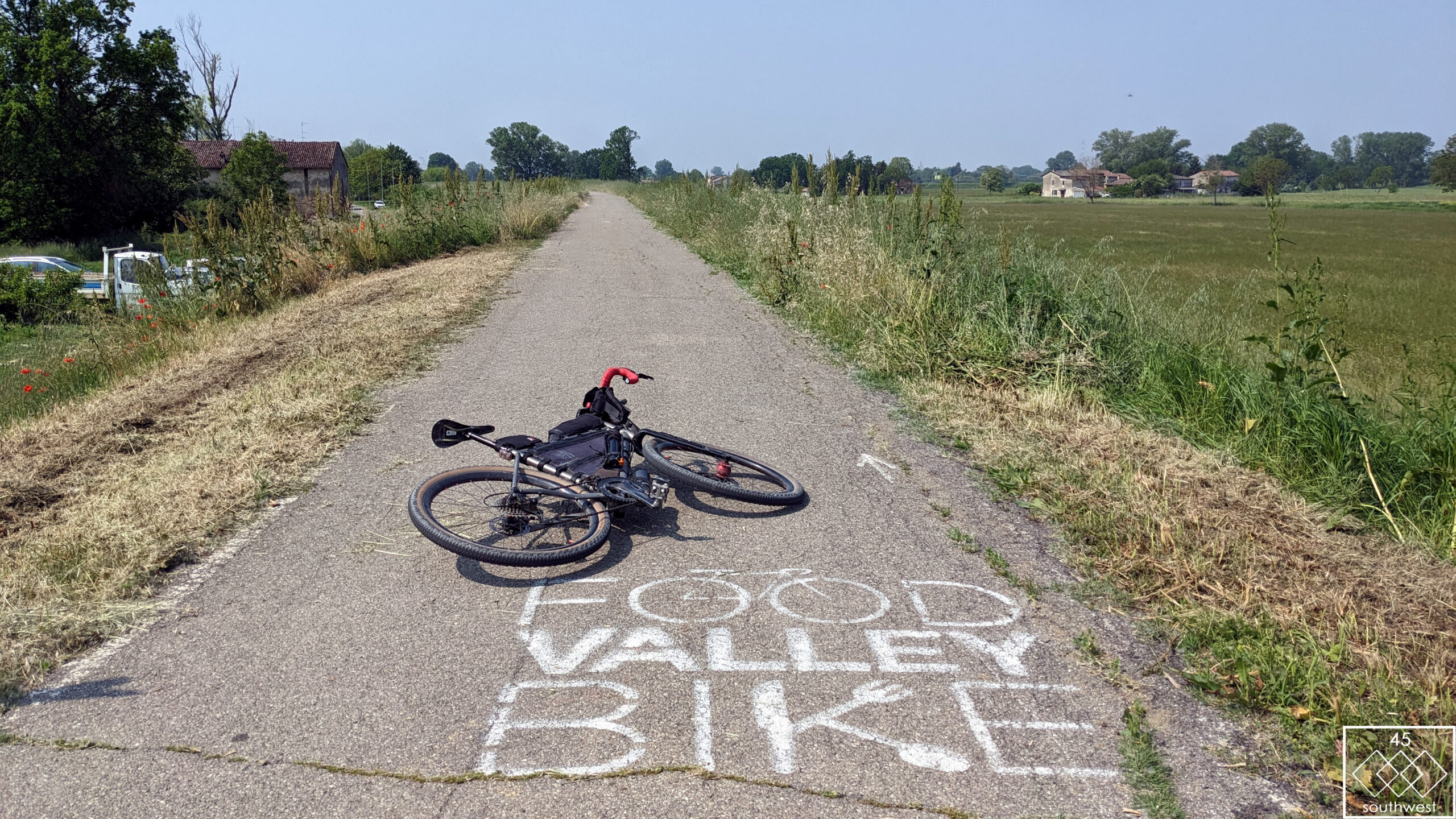
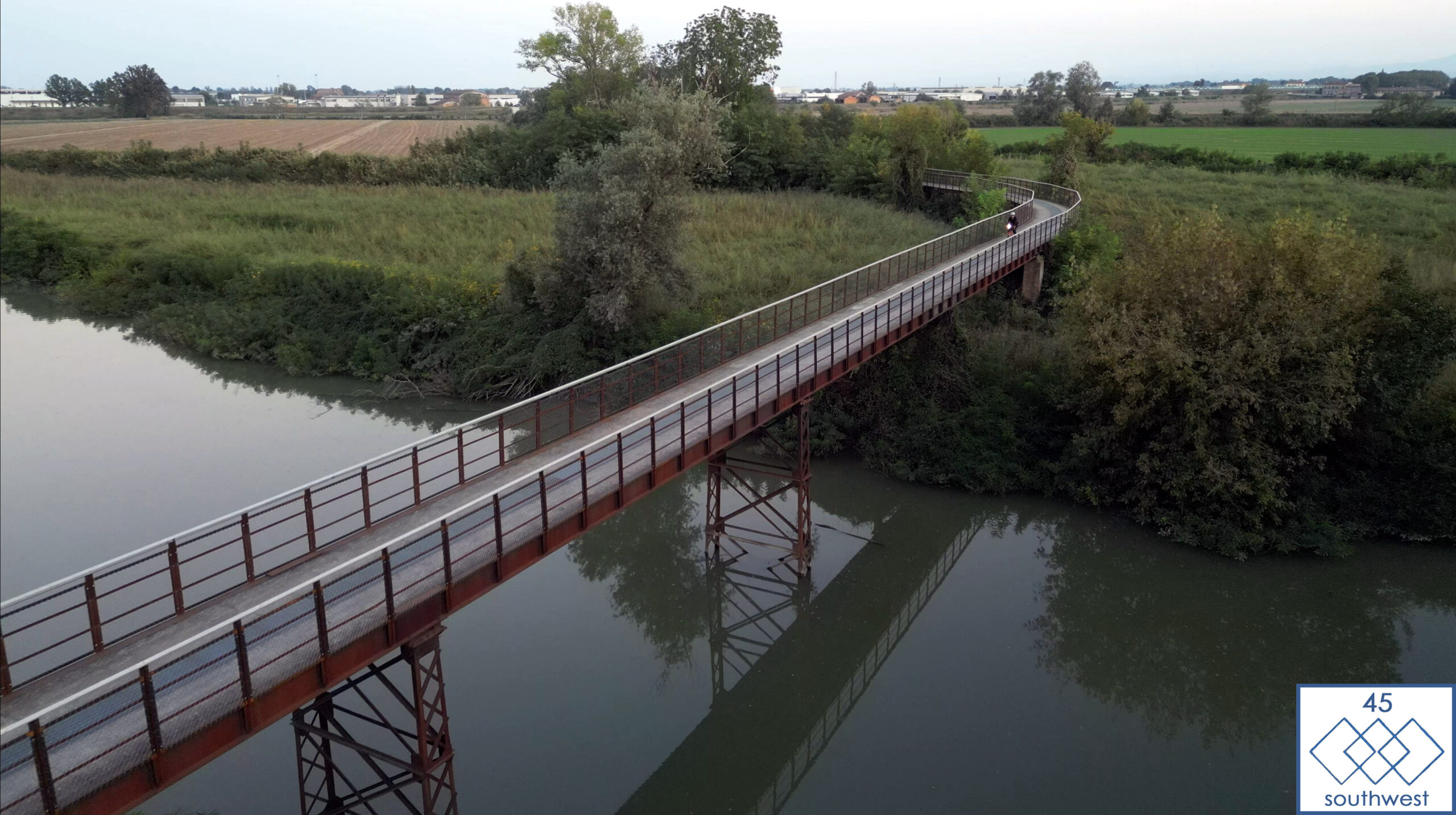
The route follows long stretches on the water channels and irrigation systems along the Po River.
The valley is broadly divided into an upper, drier part, often not particularly suited for agriculture, and a lower, very fertile, and well-irrigated section
Surface runoff water (the Po and its affluents) is not of much value to the valley’s dense population for drinking and other immediate uses, being unreliable, often destructive, and heavily polluted by sewage and fertilizers. Its main anthropic value is for hydro-electric power, irrigation, and industrial transport. The cost of purifying it for human consumption makes that process less feasible. The fresh drinking water comes from hundreds of thousands of wells.
The bassa Padana was settled and farmed earliest, in Etruscan and Roman times. After the collapse of the Roman Empire (5th century AD), lack of maintenance of the irrigation systems associated with a cooling climate phase (i.e. the so-called Migration Period or The Dark Age Cold Period) led to the progressive waterlogging of the Po Valley and the natural depressions on the right side of the Po turned in vast swamp basins. The waterlogging process of the area continued until the 10th-century influencing the human sustenance and settling practices. According to historical-archaeological data, indeed, the wetlands were exploited for fishing as well as for transport by boat while the early medieval sites settled on the fluvial ridges, in topographically higher and strategic position in the surrounding swampy meadows.
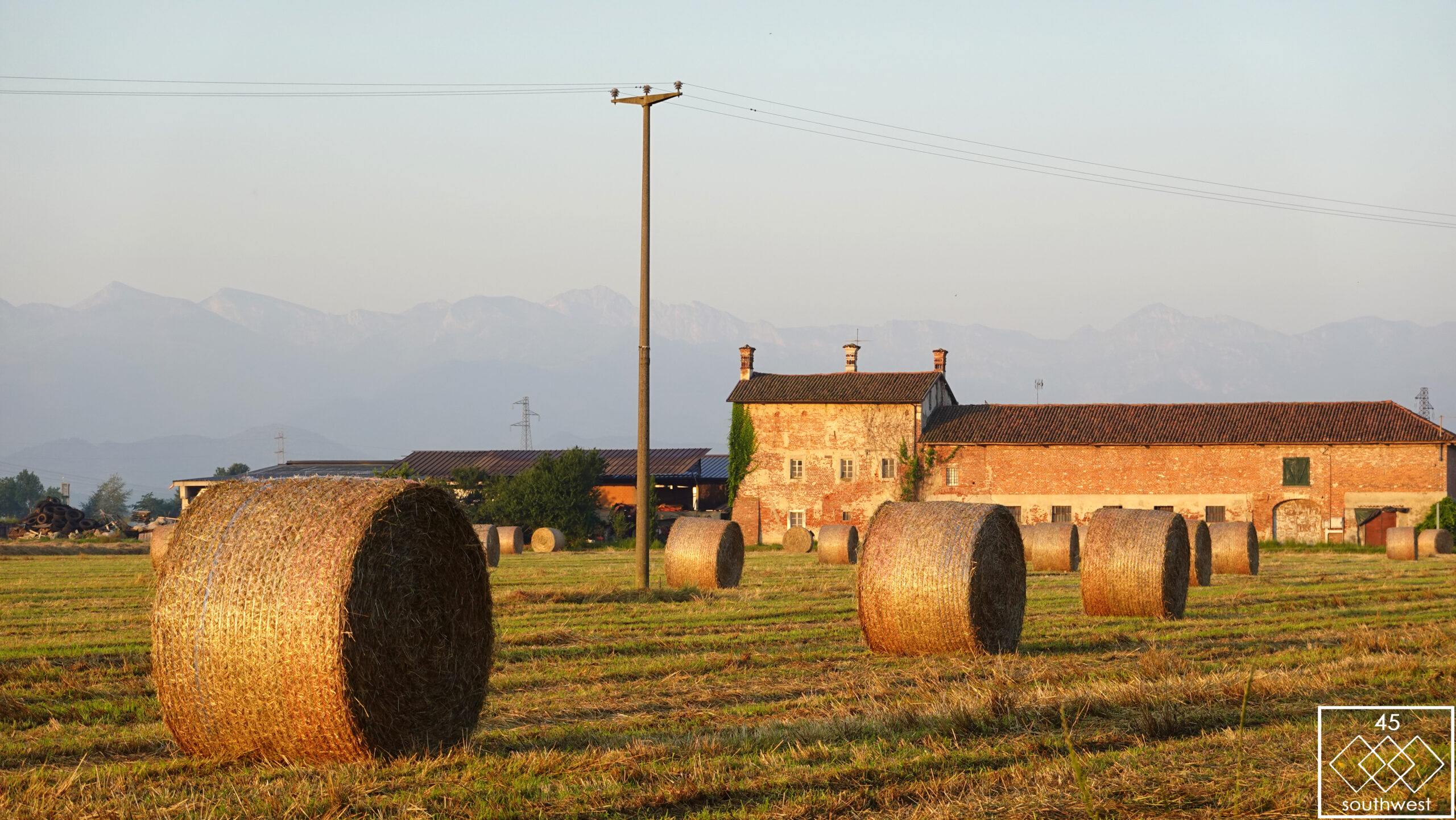
The Po Valley has been completely turned to agriculture since the Middle Ages, when efforts from monastic orders, feudal lords and free communes converged. The older and smaller cities deriving from ancient times are still located there.
According to historical maps and documents the land reclamation of the Po Valley reached its peak during the Renaissance (15th–16th centuries) and continued in the Modern Age (17th–18th centuries), with the last marsh areas only being reclaimed in the 20th century: channels and drainage system are still active and allow the Po Valley to be drained and be cultivatable.
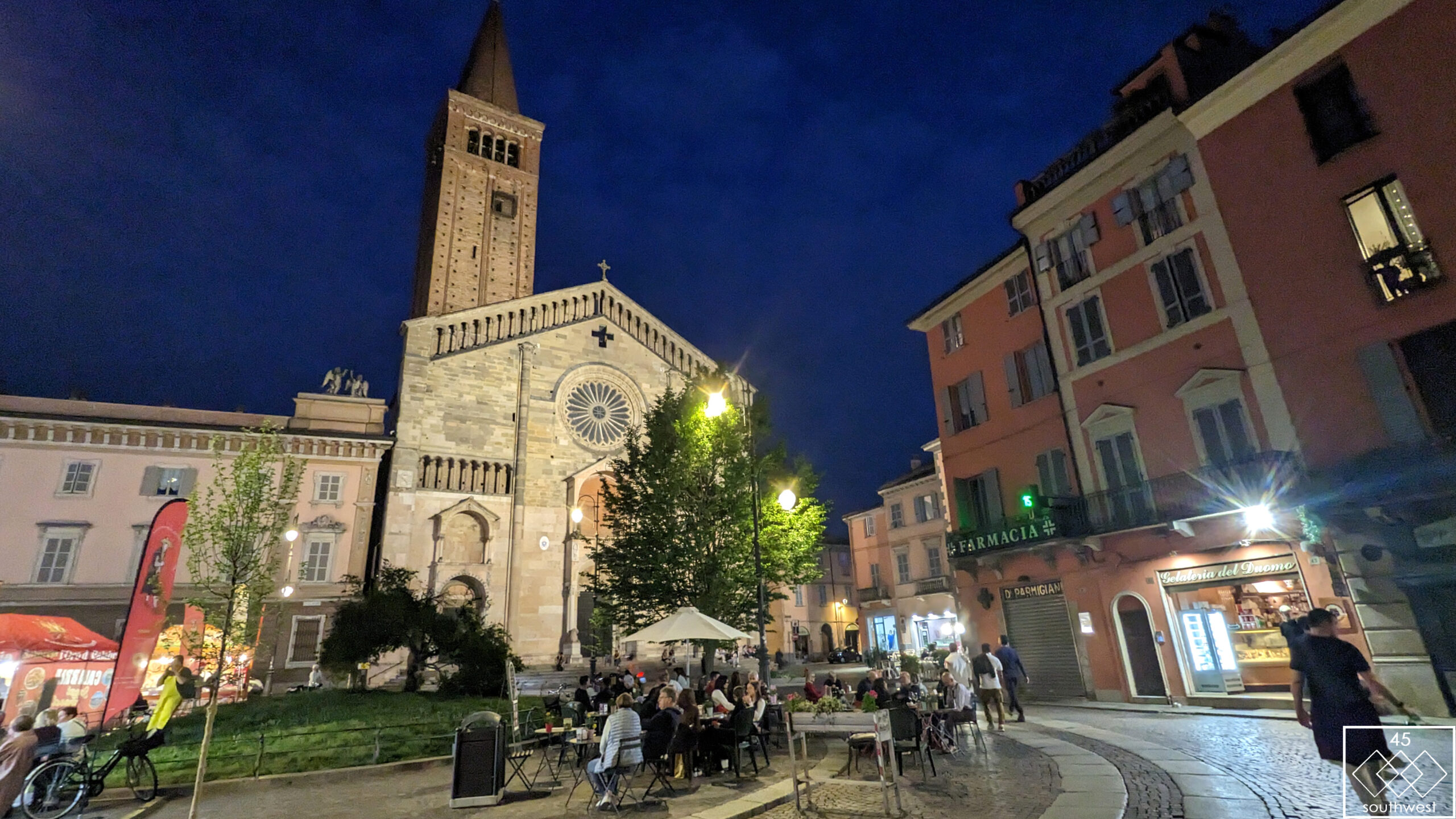
Almost 600km, 14% of the whole route of the 45-SouthWest route leads rough the Po Valley.
The Po Valley is a major geographical feature of northern Italy. It extends approximately 650 km (400 mi) in an east-west direction, with an area of 46,000 km2 (18,000 square miles) including its Venetic extension not actually related to the Po basin; it runs from the Western Alps to the Adriatic Sea. The flatlands of Veneto and Friuli are often considered apart since they do not drain into the Po, but they effectively combine into an unbroken plain, making it the largest in Southern Europe. It has a population of 17 million, or a third of Italy’s total population.
The altitude of the valley through which the Po flows, exclusive of its tributaries, varies from approximately 4 m (15 feet) below sea level in the Polesine subregion (the delta around Ferrara)[4] to about 2,100 m (6,900 feet) at the river’s origin in the southern Piedmontese province of Cuneo